Arlington Website Designer

Service

Web design

A site that loads immediately, says the right things, and belongs to you. Most of the difference between a website that works and one that does not gets decided before anything is designed.

Static build
Files, no database, nothing to patch.
No platform fee
You are not renting your own content.
You own it
Domain and accounts in your name.
Redirects handled
Old addresses keep working on day one.

What usually goes wrong, and when

Four failures cover most of the sites we are asked to look at.

The first is that nothing on the site says what the business actually sells, in the words a customer would use. There is a services page listing six categories, and no page about any of the six. Somebody typing the name of the exact job they need has nothing to land on, and the business never appears for the searches that would have converted.

The second is that the site cannot be updated. The person who built it is unreachable, the login is lost, or the platform it sits on has moved on. So, the hours are wrong, the services list is two years old, and a business that changes anything about itself has no way to say so.

The third is that it falls apart on a phone. Not badly enough to be obvious on a desktop, but text runs off the edge, a menu does not open, a form cannot be completed with a thumb. Most local traffic is on a phone, and most owners look at their own site on a laptop.

The fourth only happens once: a rebuild that dropped the old page addresses. Every link anyone had shared, and every result already stored by a search engine, now points at nothing. The enquiries stop within about a week and nothing visible explains why.


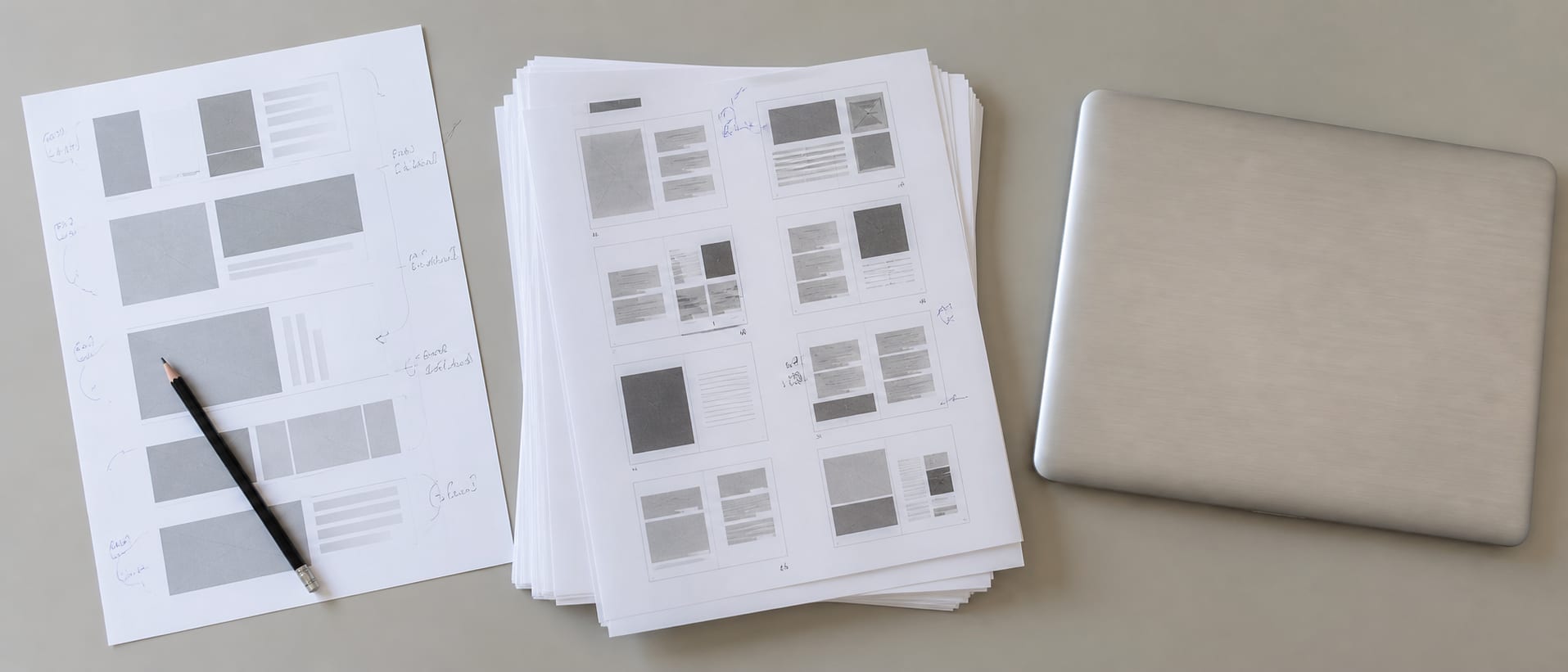
A wide desk surface seen straight down, carrying a printed page-structure diagram, a stack of printed page proofs squared up, and a closed laptop, arranged as a working layout rather than a styled flat lay

Why the writing comes before the design

This is the decision that changes the most.

When a design comes first and the copy is written to fill it, you get headings that exist because the layout had a gap, paragraphs stretched to reach the bottom of a column, and a page where the most important sentence is wherever there happened to be room for it.

Reversing it means working out what each page has to answer before deciding what it looks like. A page that answers four questions gets four sections. A page that answers one gets one, and does not get padded to look substantial. The design is then built around real content at its real length, which is why nothing on the finished site has been stretched or trimmed to fit.

It also front-loads the hard part. Deciding what the business claims, what it will not claim, what it costs, and who it is for is more difficult than choosing a typeface, and it is the part that decides whether the site works. Doing it first means the difficult conversation happens while it is still cheap to change the answer.

The signs your current site is the problem

One is enough to be worth looking at; three means the site is costing you work.

  • People find you by name but never by what you sell.
  • You cannot change your own hours, prices or services without asking somebody.
  • The site was built on a platform you pay for monthly and you are unsure what you would keep if you stopped.
  • It takes more than a couple of seconds to appear on a phone on mobile data.
  • Something on it is out of date and has been for months, because updating it is a chore.
  • Enquiries dropped after a redesign and nobody ever established why.

What the work involves, and the order it runs in

Five stages, in this order.

Deciding what the pages have to answer

Every page starts as a list of questions a visitor arrives with. What do you sell, who is it for, what does it cost, what happens first, why you. That list decides which pages exist, and it is agreed before anything is written. Skipping it is how sites end up with an About page longer than every service page combined.

A printed list of page questions on a desk with several lines marked in pencil, a second sheet fanned beneath it

Writing before designing

The copy is written against those questions, at whatever length the answer takes. Facts get checked against what the business can actually support, and anything that cannot be substantiated comes out at this stage, before it can survive into a design review where nobody wants to reopen it.

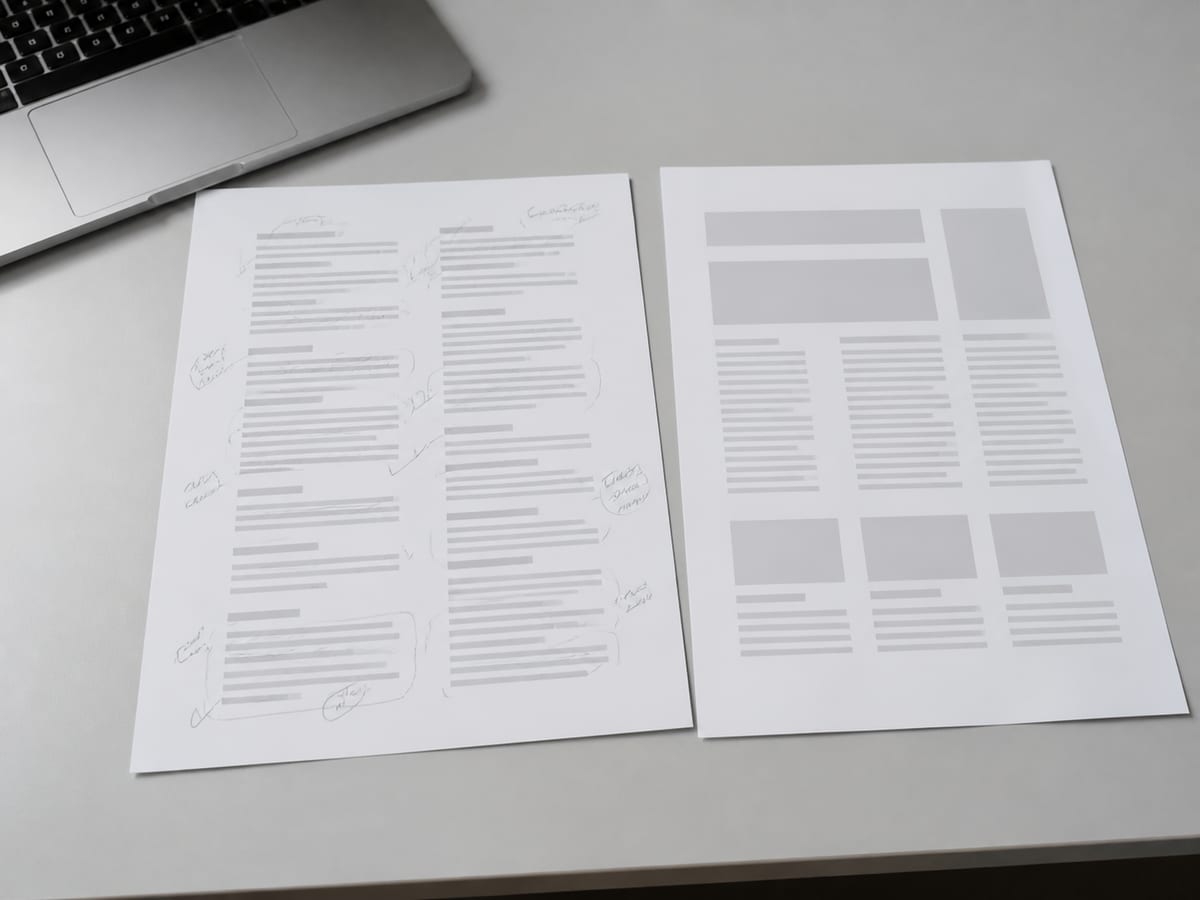
A printed page of body copy covered in handwritten pencil edits, lying beside an untouched printed layout with empty grey text blocks

Building it as static pages

The site becomes a set of files. No database, no plugins, no admin login. It loads quickly, it costs almost nothing to host, and there is no monthly platform charge standing between you and your own content.

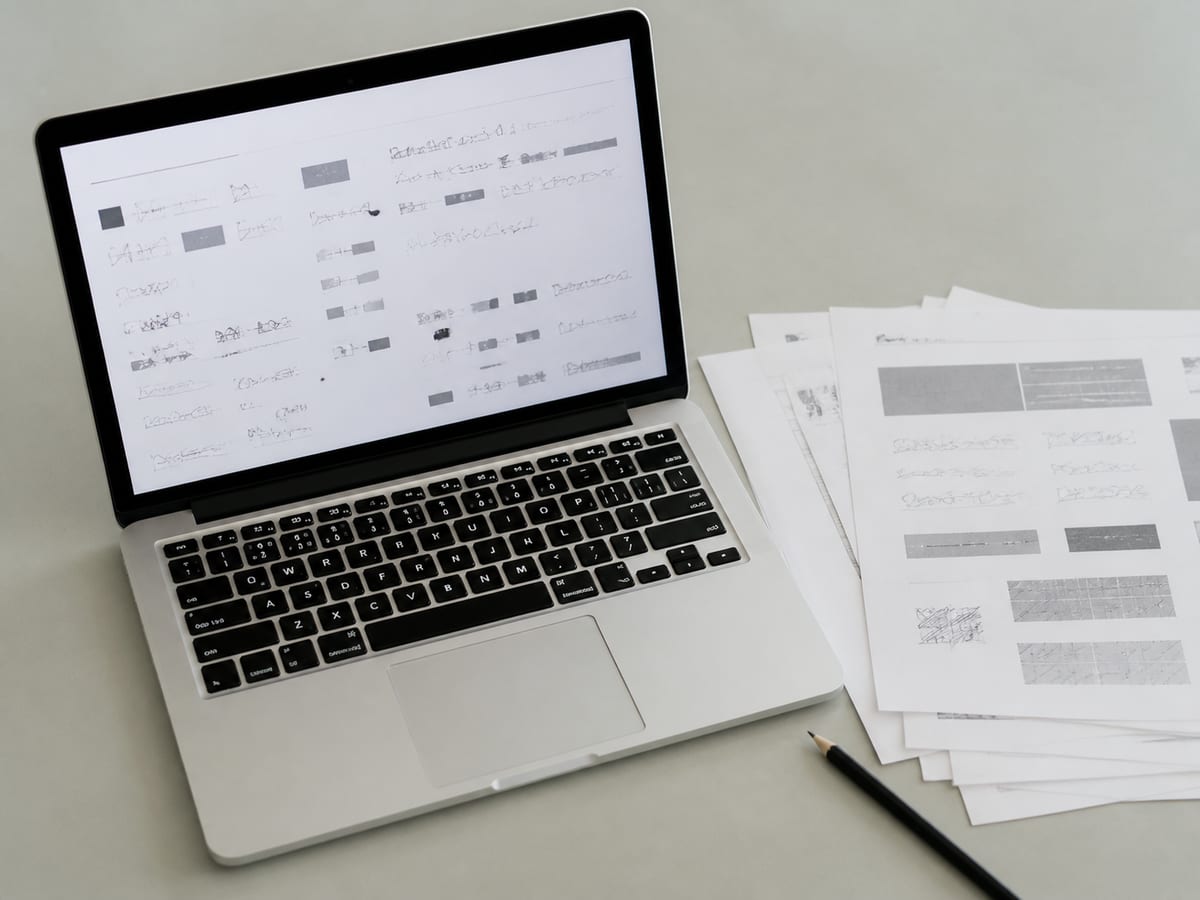
A laptop screen showing a plain page of markup in a code editor, monochrome, with a small stack of printed pages beside the keyboard

Search and structure

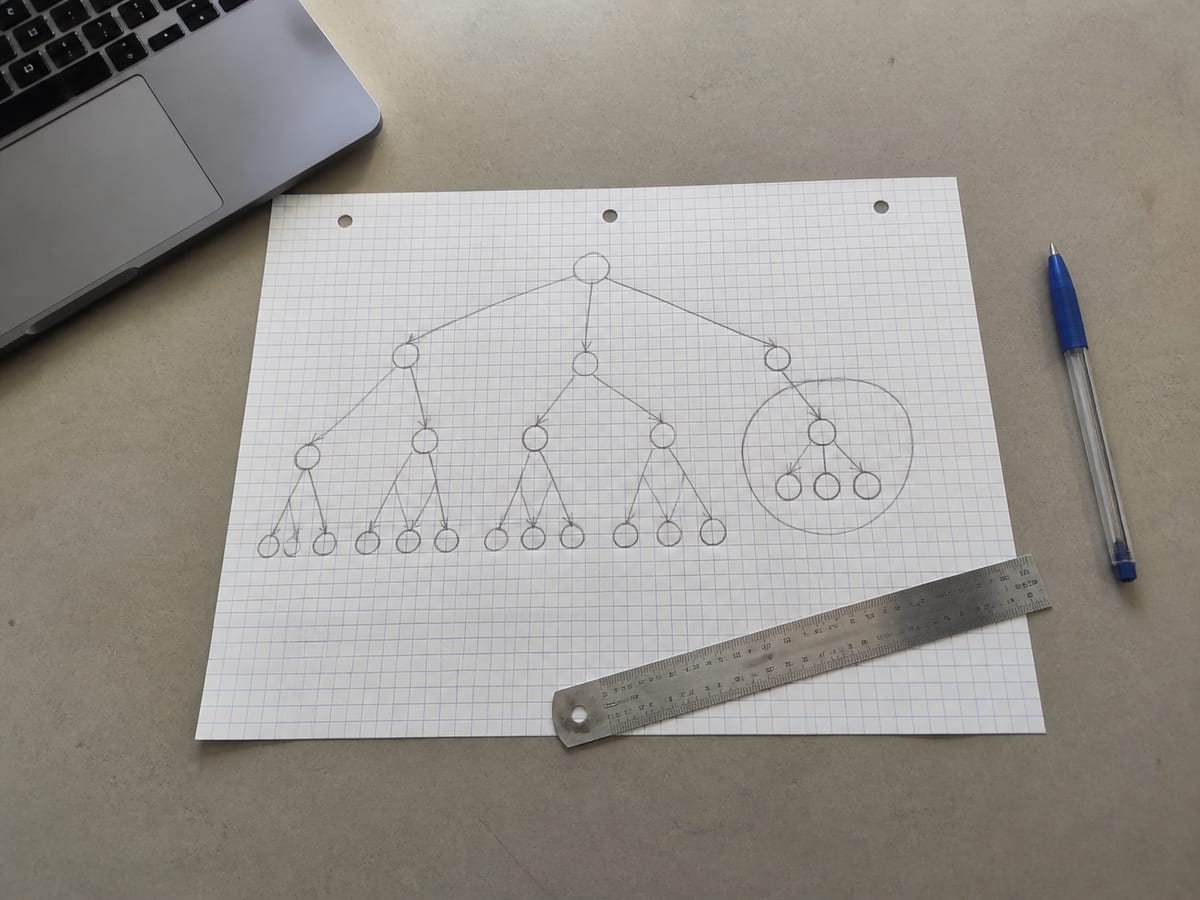
One page per thing you sell, a unique title and description on each, headings in a sensible order, real links, and structured data describing the business accurately. Content sits in the served HTML so a search engine and an AI assistant both read it without running anything.

A hand-drawn site tree on graph paper, one branch circled, a ruler resting across the lower half of the sheet

Launch, redirects and handover

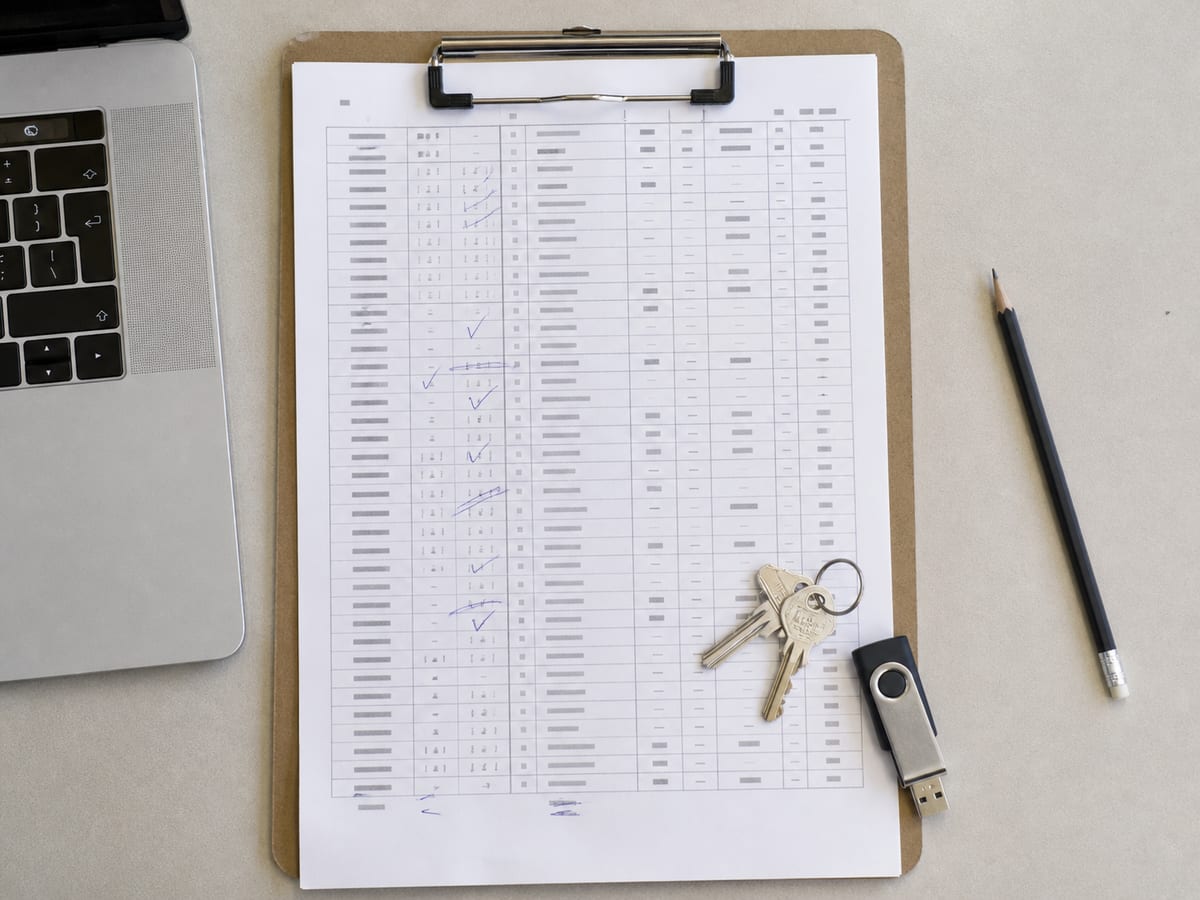
Every old page address is mapped to its new home before the switch, so links people shared years ago still work and the search results already stored still land somewhere. Then the domain and the analytics accounts are confirmed in your name, with a written note of what is where and how to get the source code.

A printed redirect table on a clipboard, rows ticked in pen, a USB drive and a set of keys resting on the corner of the sheet

How long it takes

A small site runs four to eight weeks, and the variable is almost never the building.

The writing and the deciding take the time. A business that can answer what it sells, to whom, at roughly what price, and what makes it different, moves quickly. A business where those answers need working out first spends a few weeks doing that, and that stretch is worth it because everything after it depends on the result.

The build itself is fast, because a static site is a small amount of machinery. Where a project runs long it is almost always waiting on content, photographs, or a decision that only the owner can make. Knowing that in advance lets you clear the decisions early rather than discovering them as blockers.

One date that cannot be committed to is when search results settle after a launch. Redirects protect what you had, and that part is immediate. New pages take their own time to be found and judged, usually between two and six months.

What it costs, and what drives the cost

Four things move the number.

  • How much is already decided. A business that can state what it sells and who buys it is most of the way to a specification. One where three people describe it three ways is buying the decisions as much as the pages.
  • How many things you sell that each deserve a page. This scales with the business, and the count reflects real services, each with its own page.
  • What already exists and what state it is in. A site with a clean history is straightforward. One carrying a botched migration, duplicate pages and no redirects needs repair before anything new is worth building.
  • Whether photography exists. Real images of real work change a site considerably. Where they do not exist, the site is built with labelled placeholders and a list of what to shoot, so the gap stays visible until real photographs fill it.

What you can do yourself first

All three are free, and each makes whatever follows cheaper.

Write down every service you sell, one line each, in the words a customer would use for it, not your internal names for them. That list becomes the page structure.

Find out who controls your domain, your hosting, your Google Business Profile and your analytics. They are often held by different people. Settle this whatever you decide about the site, because without it you cannot move anything anywhere.

Collect the questions customers ask you before they buy. The awkward ones especially. Those questions are the pages most sites are missing, and you already know them better than any keyword tool does.

Keeping it working

A static site needs very little, which is most of the argument for building one.

There are no plugins to update and no database to be broken into, so most of the routine maintenance a platform site needs is not there. What remains is the domain renewal, an occasional dependency update, and adding content when the business changes.

Adding a page later means writing it and rebuilding. No template surgery, no fighting a page builder, no risk of an update breaking the layout. That is what makes a site cheap to keep as well as cheap to launch, and it is why the arrangement suits a business that expects to change.

If you want to make small edits yourself, that is arranged at handover and shown to you properly. If you would rather send changes and have them made, that is also fine. Neither is priced as a subscription for continued access to your own site.

What is checked before a build is called done

Measured on the built site, not judged by eye.

01

Speed

How fast the page appears on a phone on mobile data, which is how most local visitors will see it.

02

No overflow

Every element audited at 360, 390 and 402 pixels wide, in both themes. Nothing clips and nothing drags sideways.

03

Contrast

Text and controls measured against the WCAG AA thresholds in light and dark, by number.

04

Redirects

Every old address requested against the live site and confirmed to land where it should.

Where this is done

Local pages are written town by town, because a page about a place has to know something about the place.

Common questions

Will I lose my rankings when the site changes?

Not if the old page addresses are mapped to their new homes before the switch. That mapping is the single most important task in a rebuild and it is the one most often skipped, which is why sites lose their traffic in the week after a relaunch. It is checked against the live site afterwards.

Can I edit it myself?

Yes, and it is set up at handover if you want it. Some owners prefer to send changes and have them made. Either way there is no monthly fee for access to your own content, and no login you can be locked out of.

Do you use page builders?

No. A page builder puts a layer between you and your site that has to be kept updated, tends to slow pages down, and makes the whole thing hard to move elsewhere. Static files avoid all three, and another developer can pick them up without learning a system.

What about hosting?

A static site costs very little to host and sits on a fast network by default. The hosting account is yours, so nothing about it depends on the relationship continuing.

What if I have no photographs?

The site is built with labelled placeholders sized to the design, and you get a list of what to shoot. Dropping a real file into a slot replaces it on the next build with no code change. Stock photography of somebody else's premises is avoided, because a local customer notices.

Do you work outside Texas?

Yes. Only the town pages are local. The build, the writing and the search work are the same wherever the business sits, and a good share of the work is done for people we never meet.

Talk about a build

Send the address of your current site if you have one, and the one thing you most want it to bring in. You will get a reply about whether a rebuild is the right call, and if it is not, what would fix the problem instead.